Evaluate bulky feed
The largest item, its orientation and the loading method give the supplier a common basis for reviewing the inlet and cutter engagement.
Shredding Equipment
Define the largest incoming item and where the discharge will go. Both guide the review of cutter geometry, feed opening and the next processing stage.
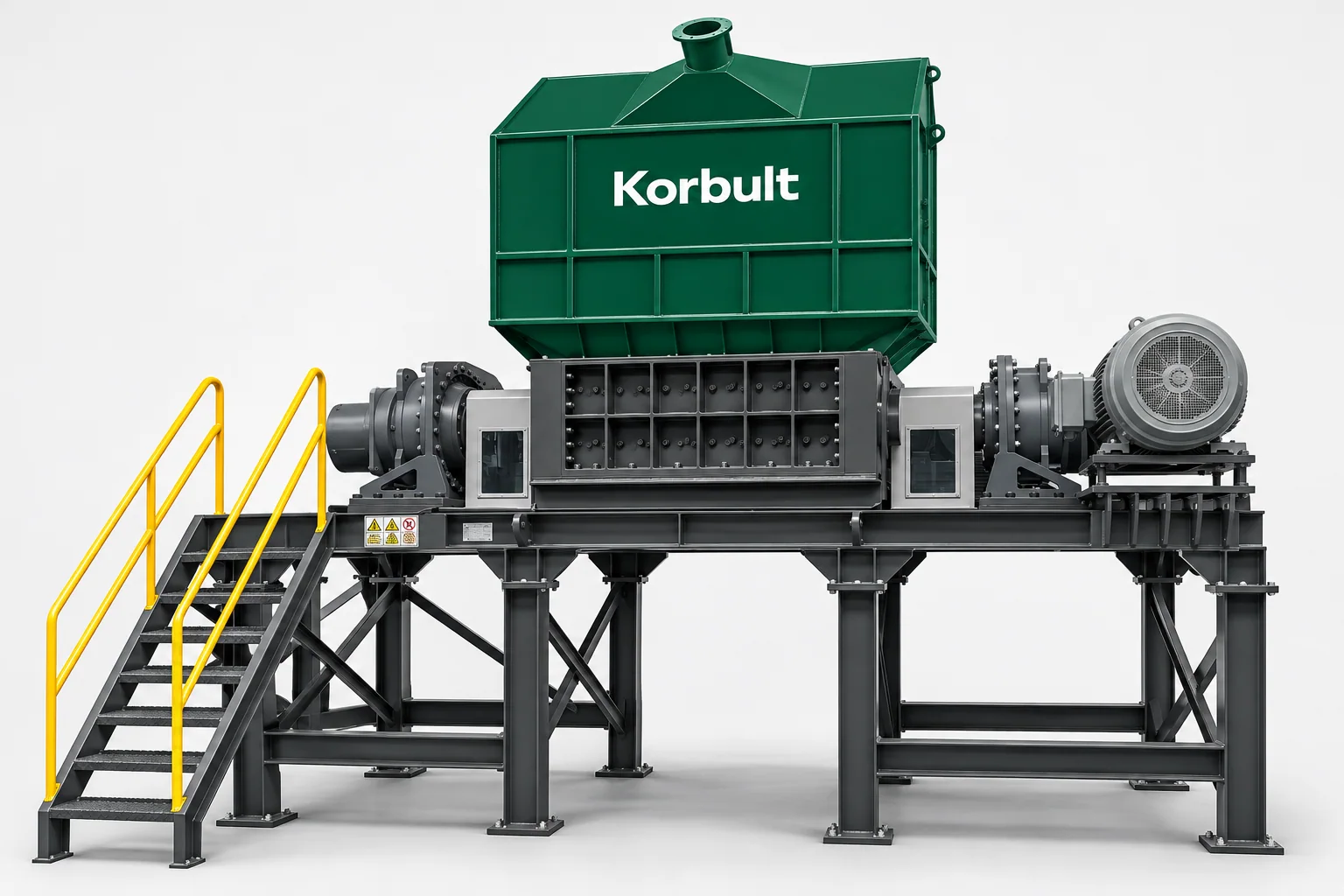
Equipment overview
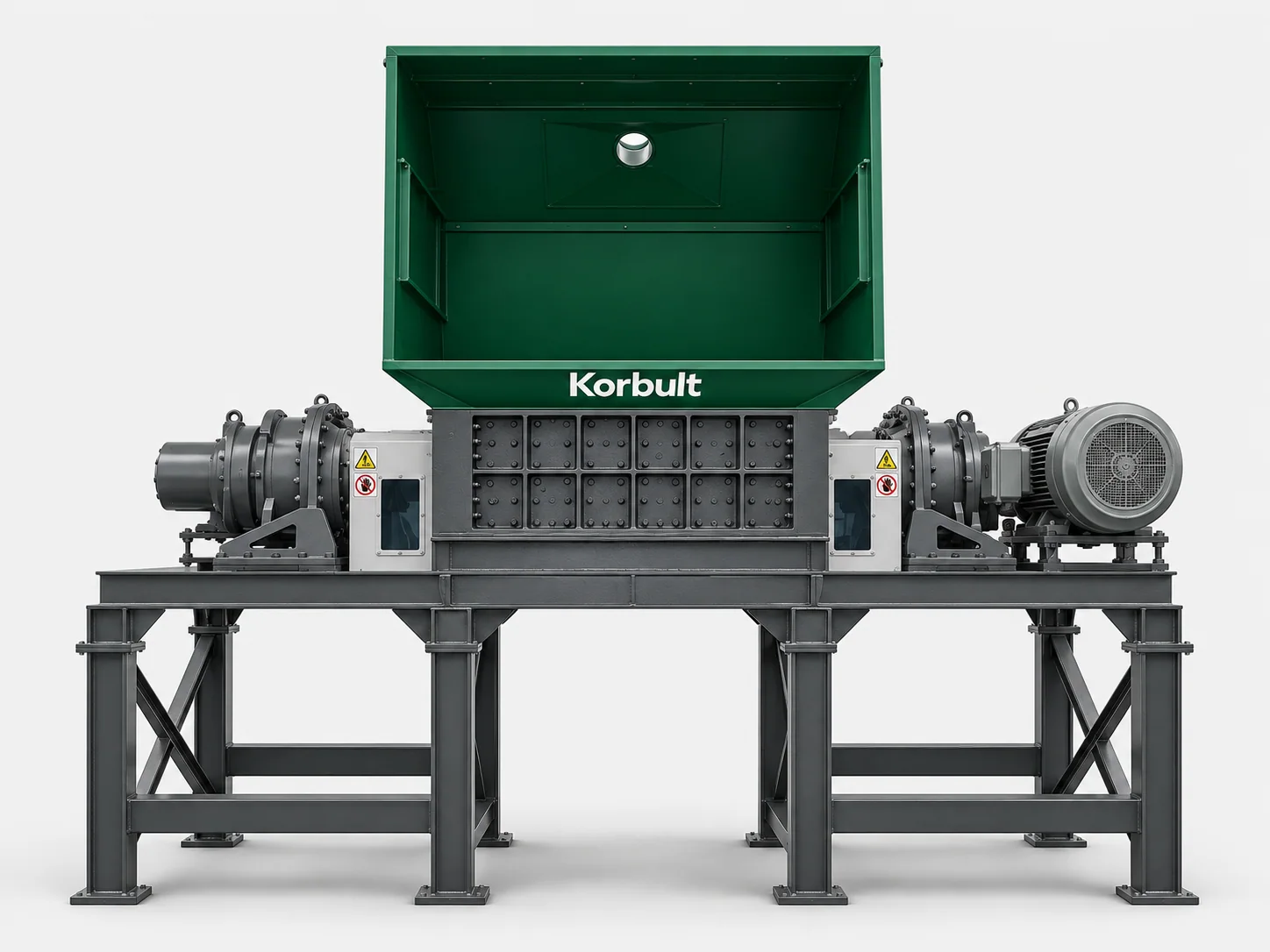
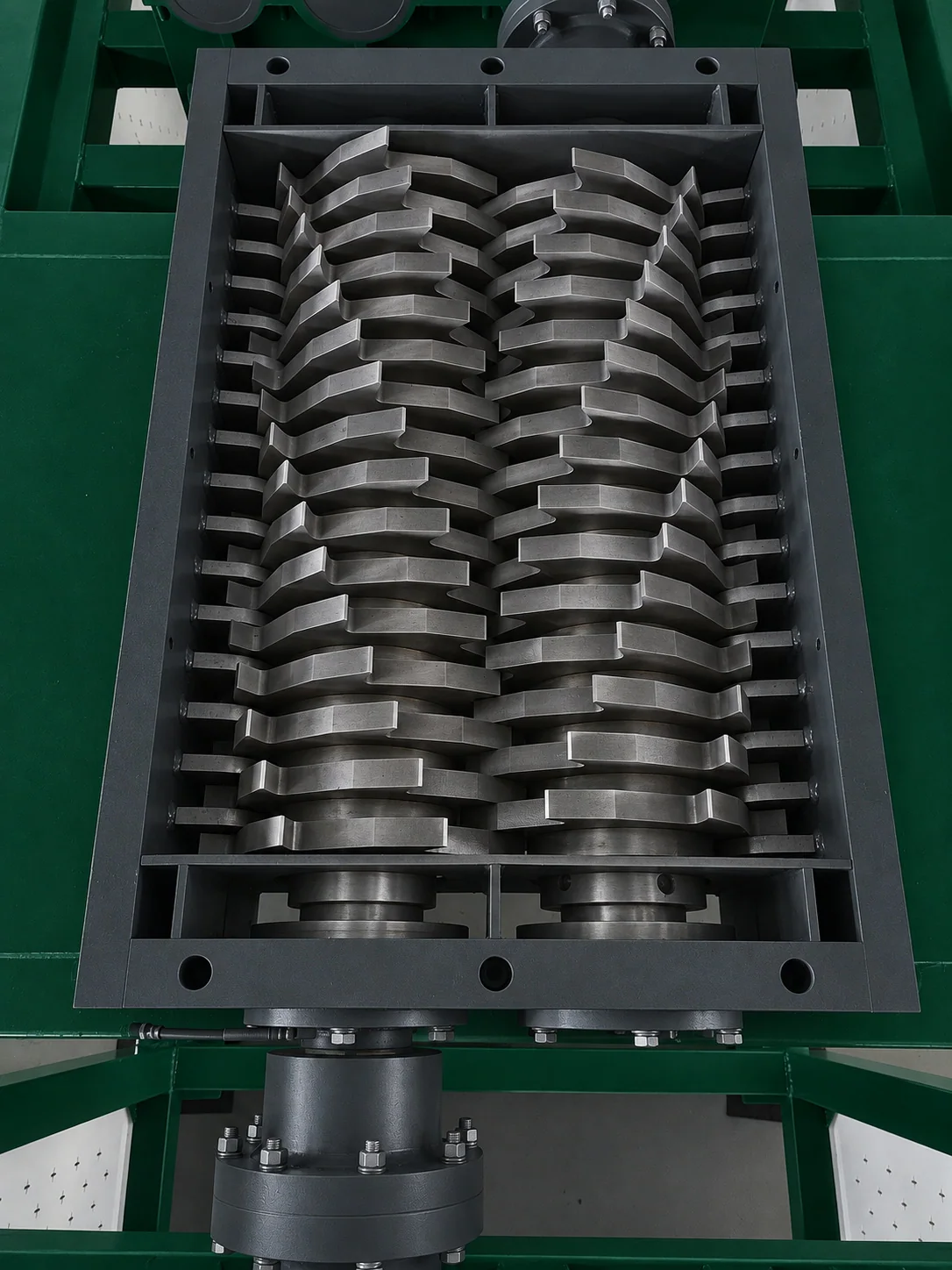
Two rotating cutter shafts grip material and draw it between opposing cutters. The resulting pieces depend on the cutter arrangement and how each item enters and tears.
For a primary shredding enquiry, describe the result you need in handling terms as well as dimensions. A transport container and a downstream granulator can call for different discharge characteristics.
Application planning
The largest item, its orientation and the loading method give the supplier a common basis for reviewing the inlet and cutter engagement.
A photo of acceptable discharge can make it easier to agree whether one reduction stage should be assessed or another stage considered.
Review the discharge height, conveyor width and accumulation space alongside the cutting unit.
Rigid mouldings, hollow drums and loose film each present a different feeding problem.
Equipment design
Feed composition and largest dimensions guide the review of shaft spacing, cutter profile and cutter stack. A representative sample helps test how the material engages.
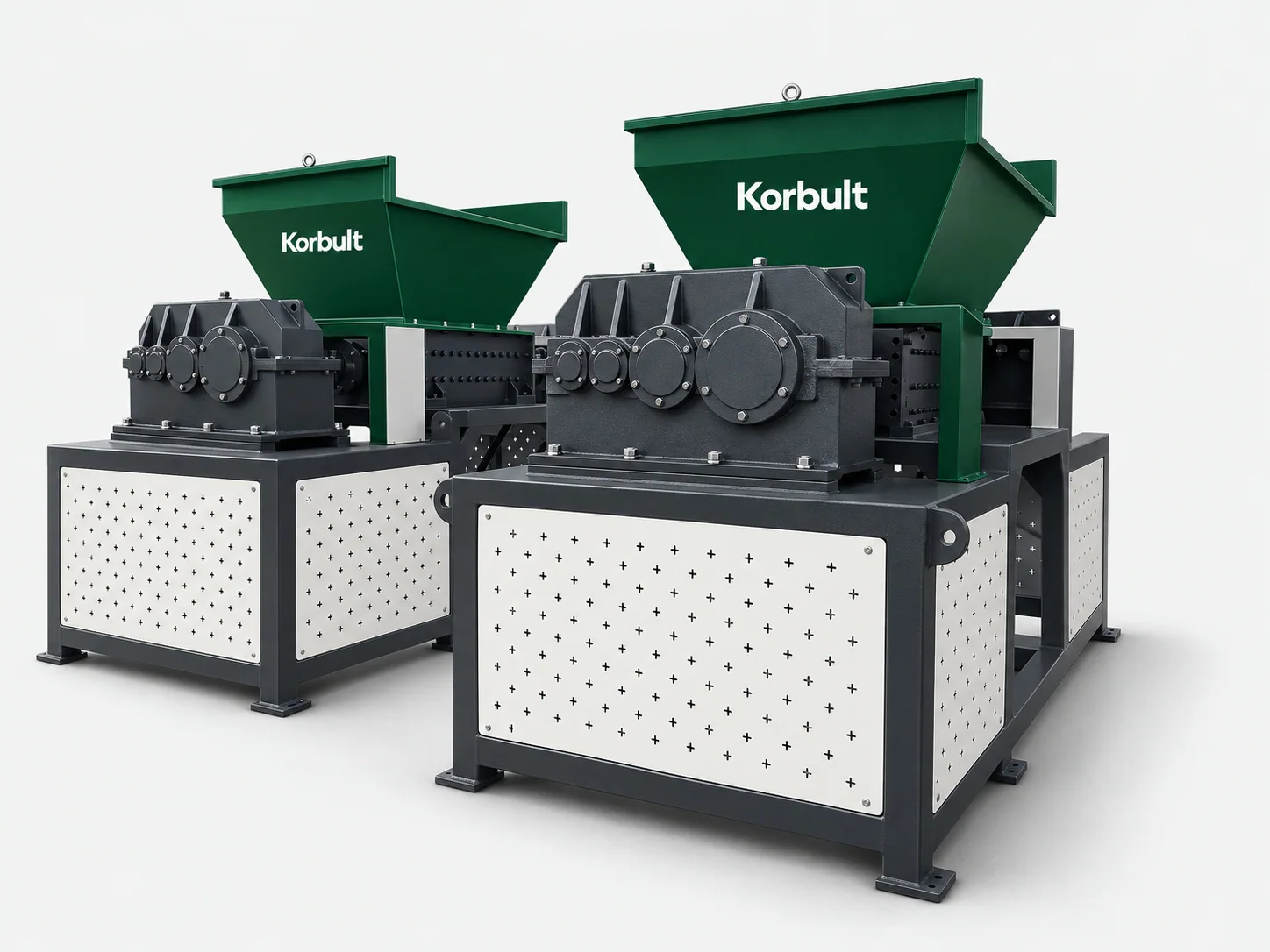
Ask for the proposed motor and gearbox arrangement, available drive-control information and how the equipment responds to uneven or interrupted feed.
Describe the discharge route and the largest pieces the next step can handle. An exact output distribution requires evidence from the specified feed.
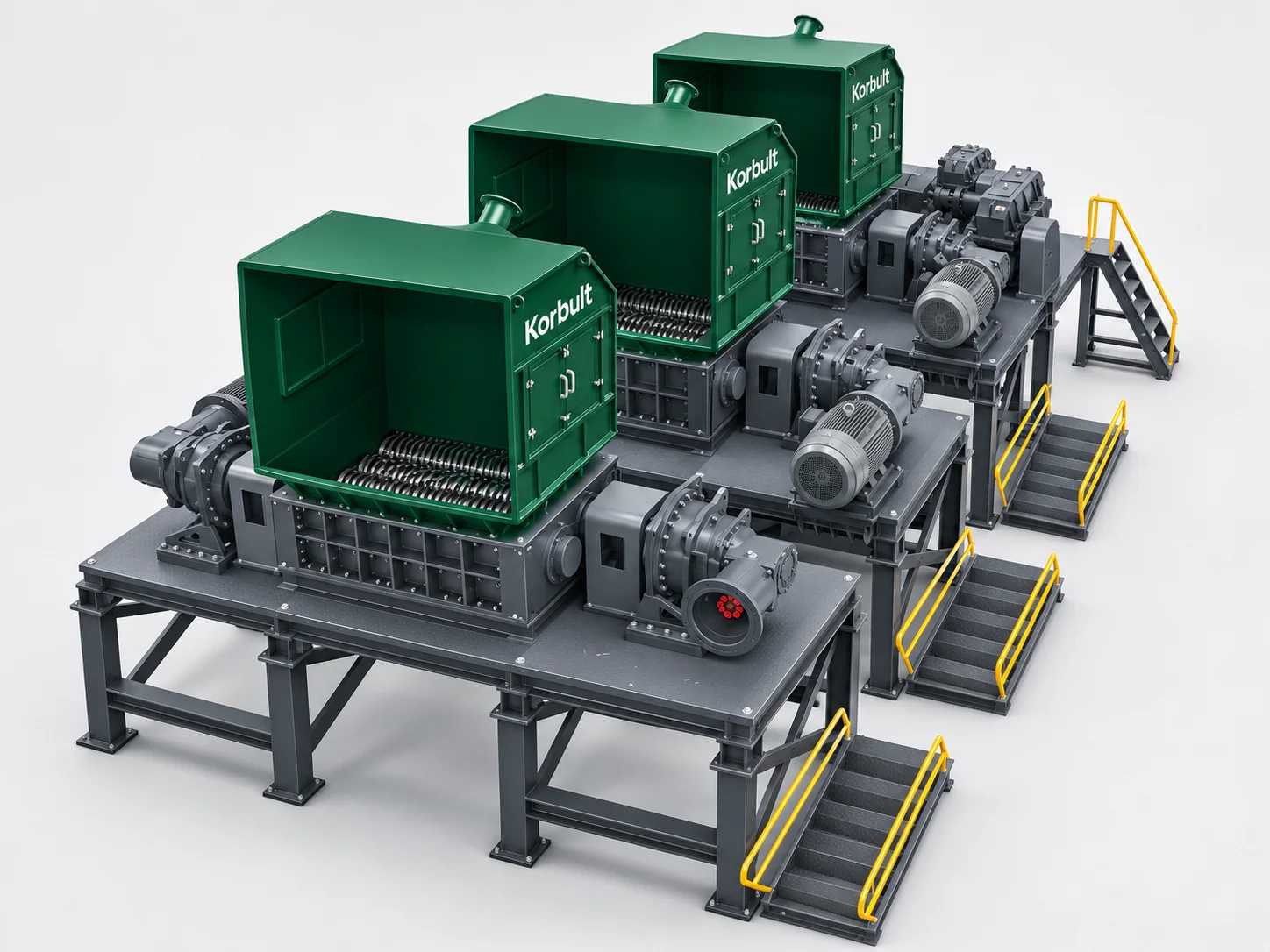
Document loading height, equipment access and operating space. Agree the safeguarding and maintenance interfaces with the site team before layout confirmation.
Technical specifications
The manufacturer sizes the equipment against an agreed duty. These are the inputs used to prepare a project-specific technical offer.
| Parameter | Information to provide |
|---|---|
| Largest incoming item | Outer dimensions, approximate mass, wall thickness and loading orientation. |
| Primary discharge | Handling objective and restrictions at the receiving bin, conveyor or next machine. |
| Feed profile | Mass per shift, mix by material, peak loads and expected interruptions. |
| Electrical interface | Available voltage, phases, frequency and how the rest of the line is controlled. |
Optional configurations
Include these questions in the enquiry so that the manufacturer can identify which features it can supply.
Visual reference
KORBULT catalogue images show the brand finish. Final equipment appearance and configuration are confirmed in the project proposal.
Project enquiry
Share the input material, the result you need and any site constraints. This equipment family will be carried into your enquiry.
Request a Quote